Thursday, 20 September 2012

Kew in a blur. Time to see what all the fuss was about.


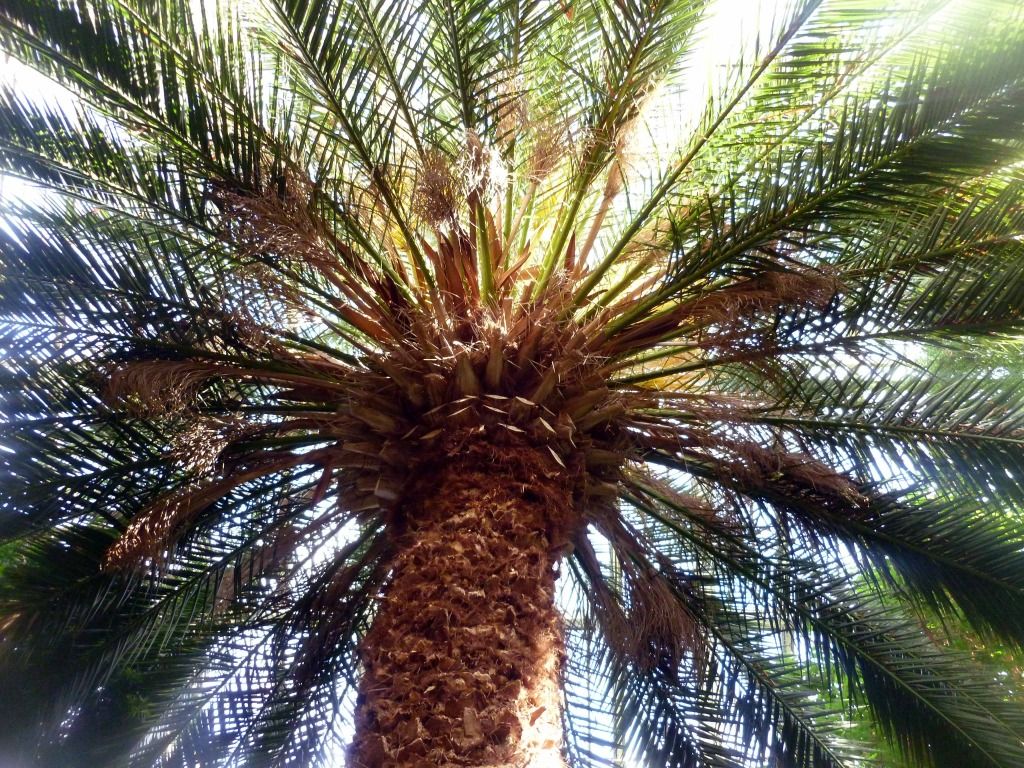
Ok to begin with an apology.  Three quarters of the photos in this blog post are out of focus or soft focus.  This is because, unbeknown to me, my daughters had been playing with the settings on the camera and smeared mucky fingers on the lens!  (Lesson always check your equipment before going out)  Luckily I noticed by the time I got to the big Jubaea palm so there are at least a few good photos.

This was my first trip to Kew Gardens and the journey there was very straight forward, taking less than 3 hours from Wakefield, West Yorkshire to the Kew Gardens ticket office using public transport.


View of the Temperate house, one of three large glasshouses at Kew
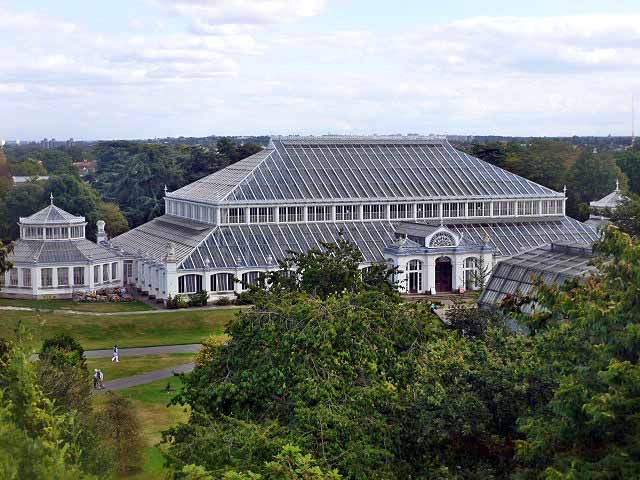


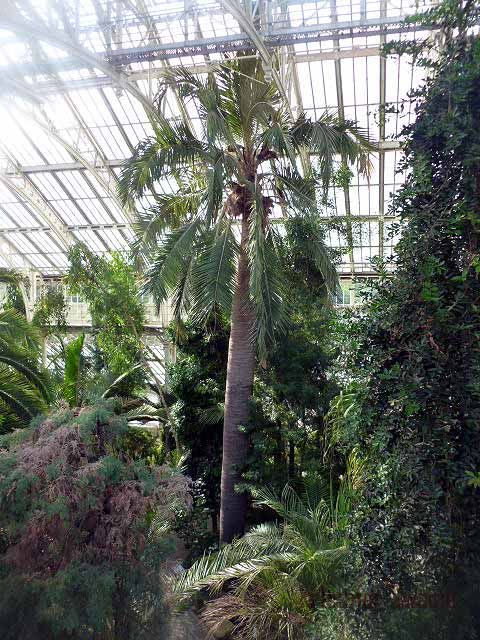
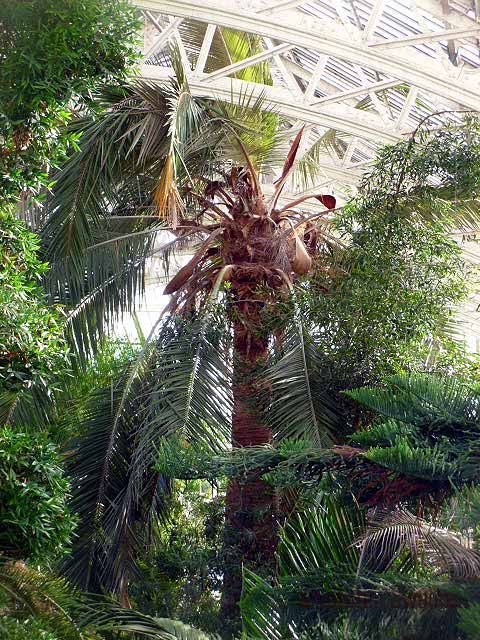
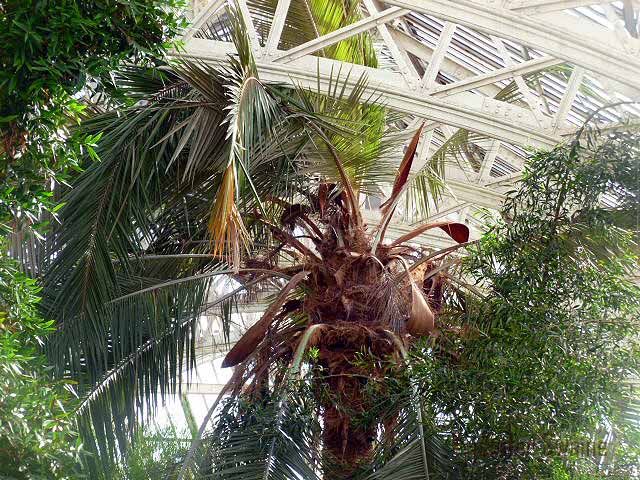
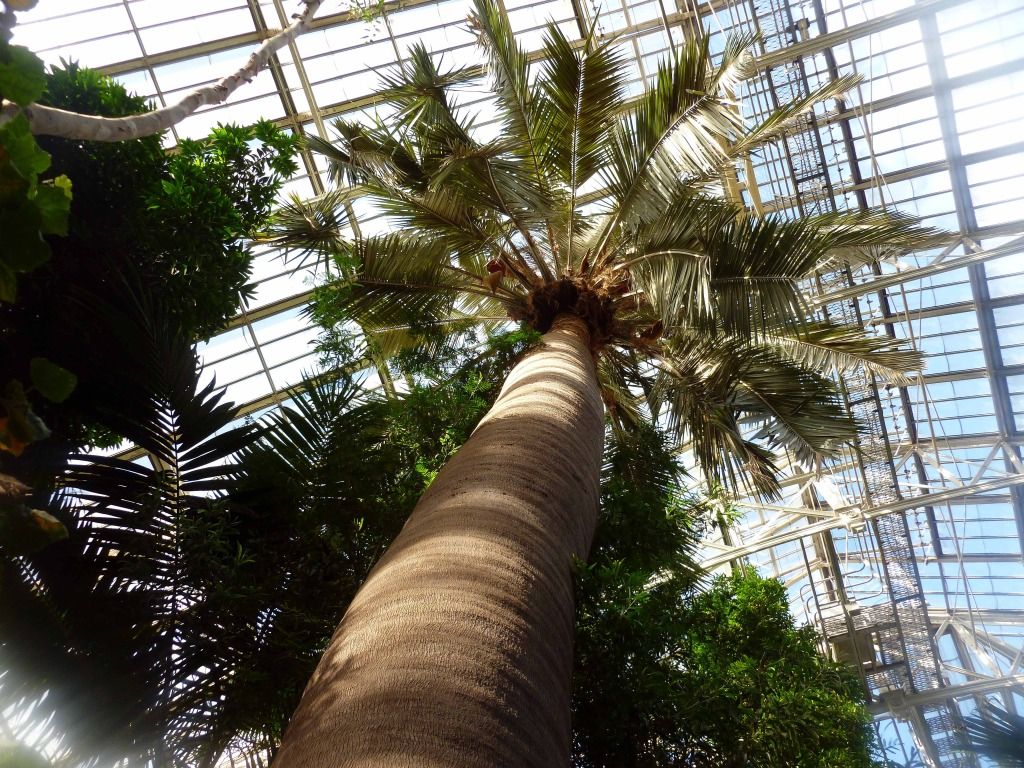
The main reason I wanted to visit Kew gardens was to see "the largest plant in captivity" this is the famous Jubaea palm  Raised from seed in 1846, it is widely believed to be the tallest glasshouse plant and is certainly the largest palm under glass.  More on that later.....


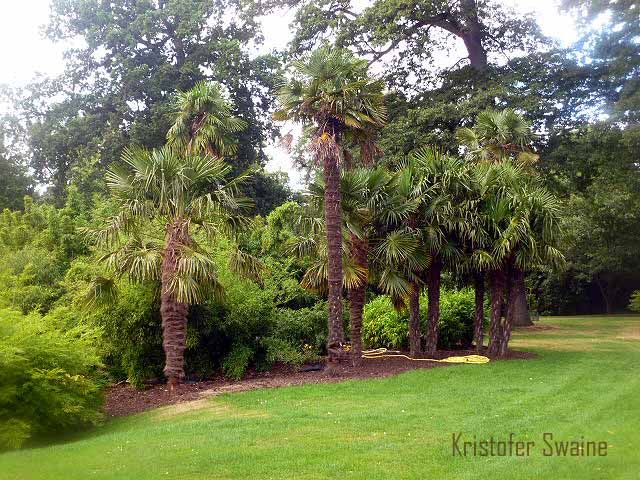
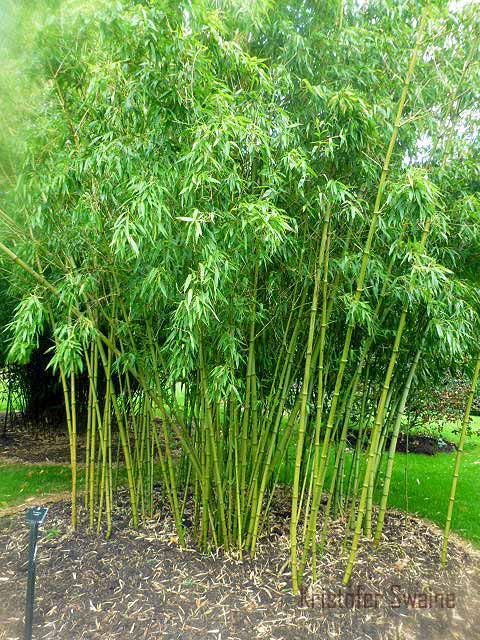
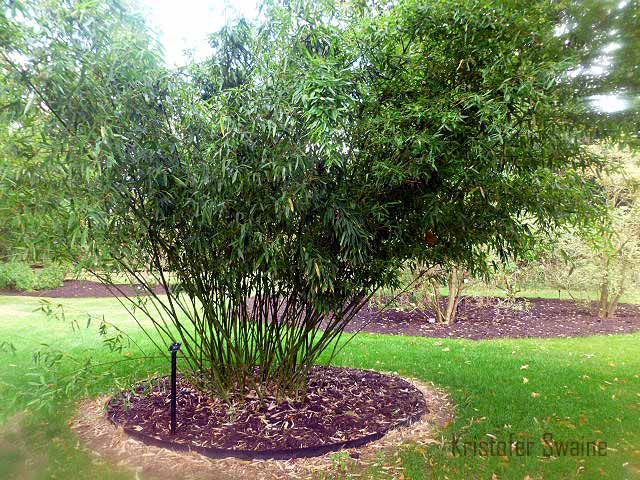
First here are some images from the plants growing outdoors at Kew including some  Trachycarpus palms and many bamboos.


T fortunei
 

P congesta
 
P parvifolia


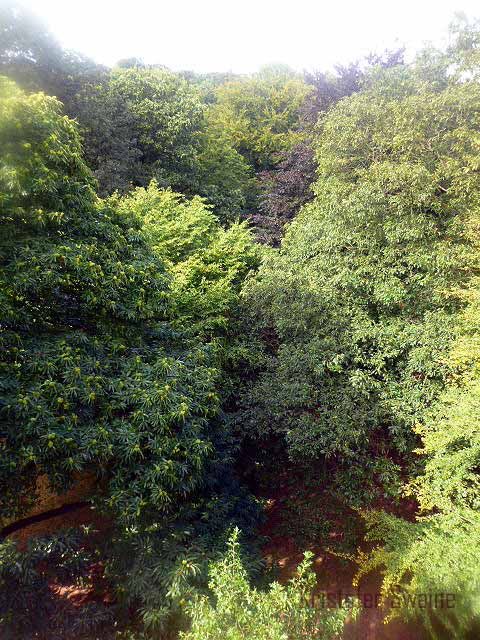
They have built a very high platform to see the gardens from above.  The structures themselves are very impressive.  Unfortunately for me the lift was out of order so had to use the stairs.
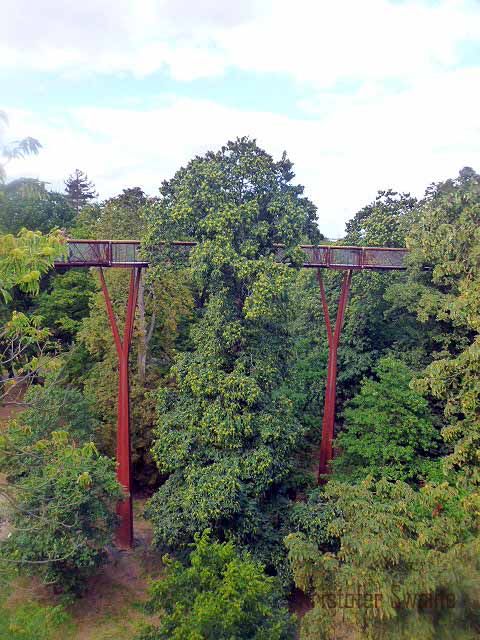


The views from the top were very impressive although not good if you suffer from vertigo!


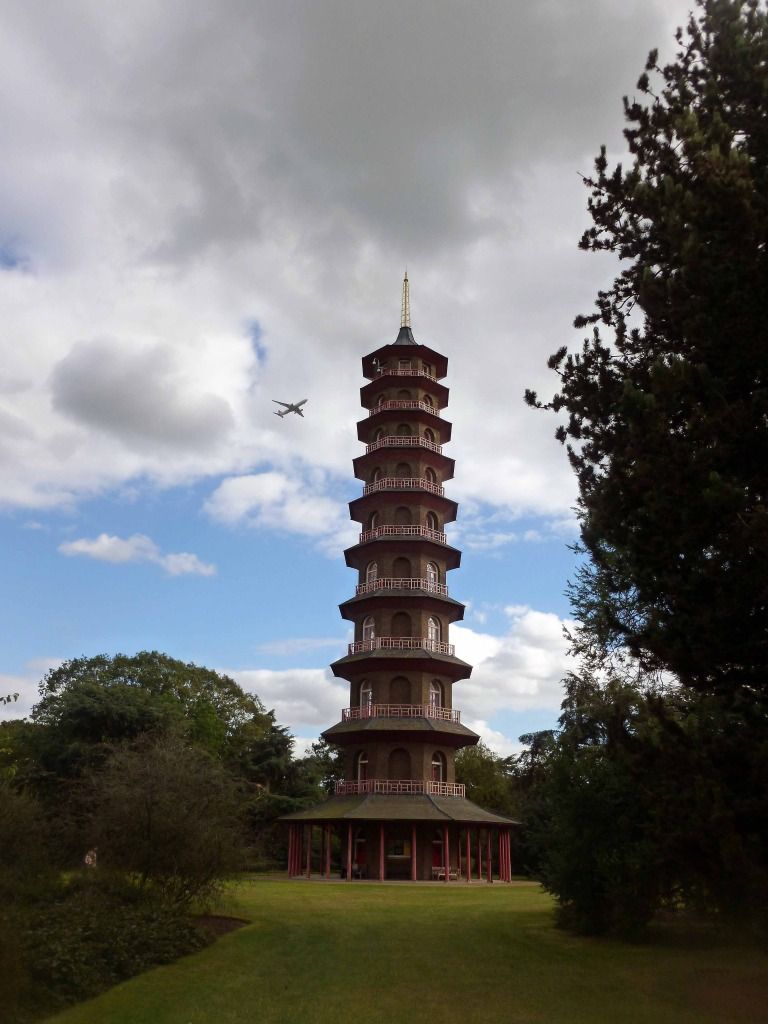
Kew is full of fantastic structures, some old and some new.  Here is a great example, the Pagoda.  One thing that did spoil Kew was the constant sight of loud planes which at times spoiled the relaxing feel of the gardens.
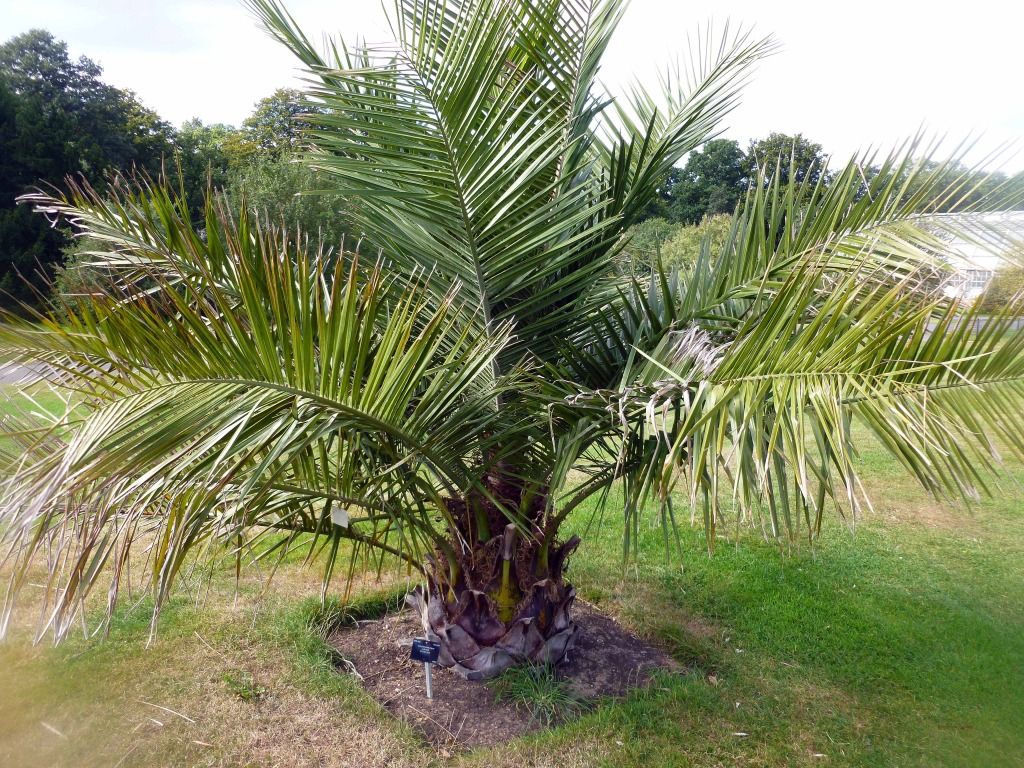
Not all palms are inside at Kew, there are some fortunei, chammys and a couple of Jubaeas including this specimen.


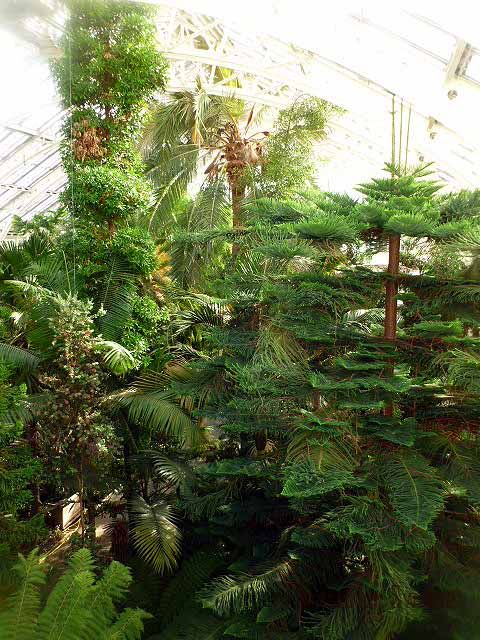
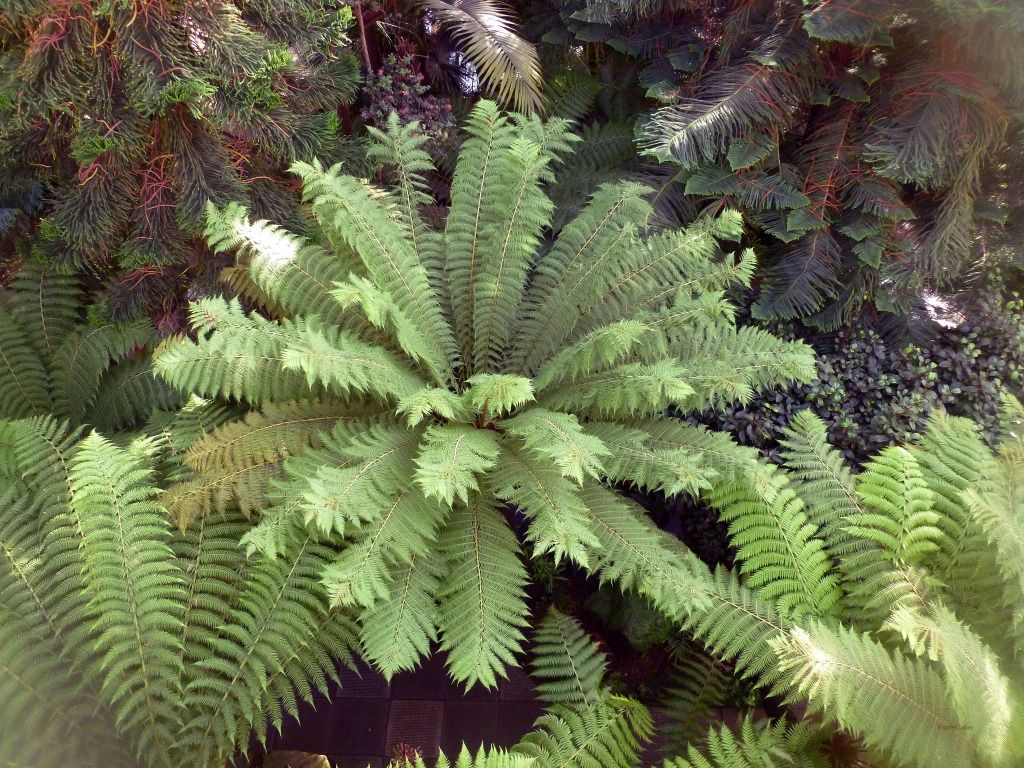
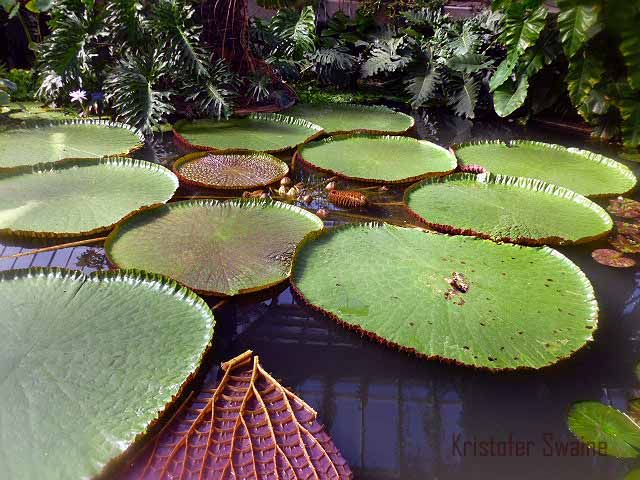
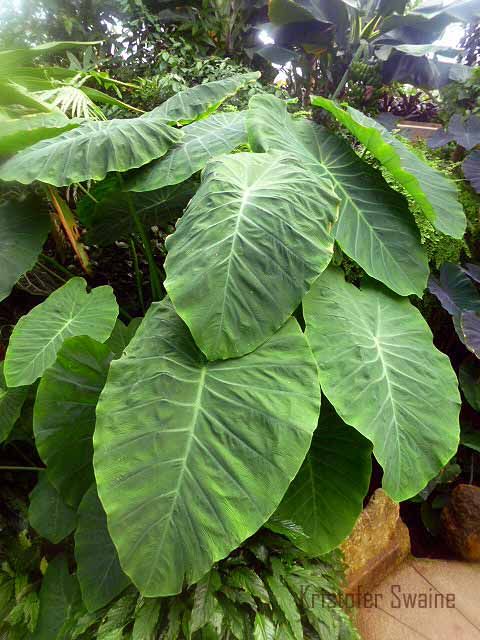
Most of the really impressive plants are found in the three main glasses houses.  Feast your eyes on these.
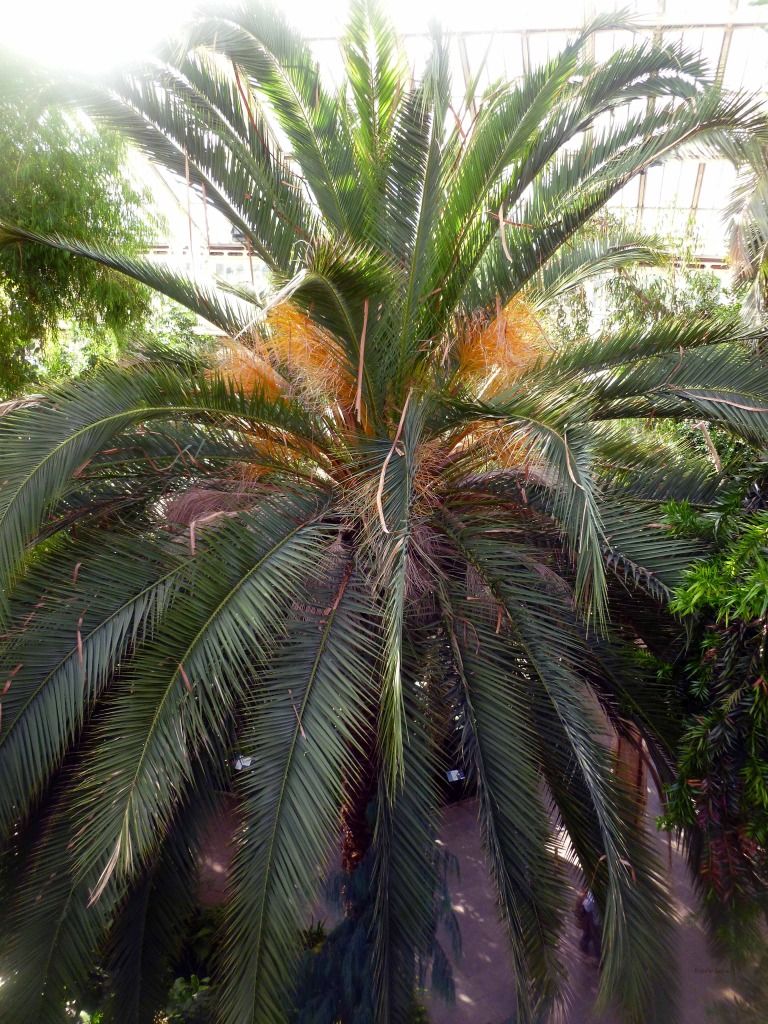
 
 
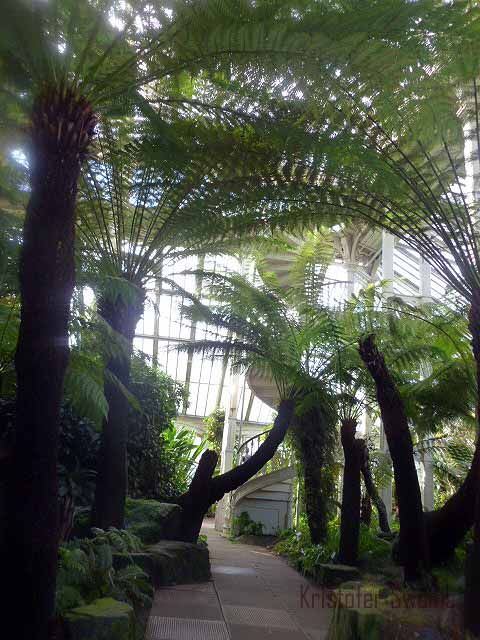
Tree ferns


Giant water lilies

Colocasia
Yucca queretaroensis
 
Chamaerops humilis
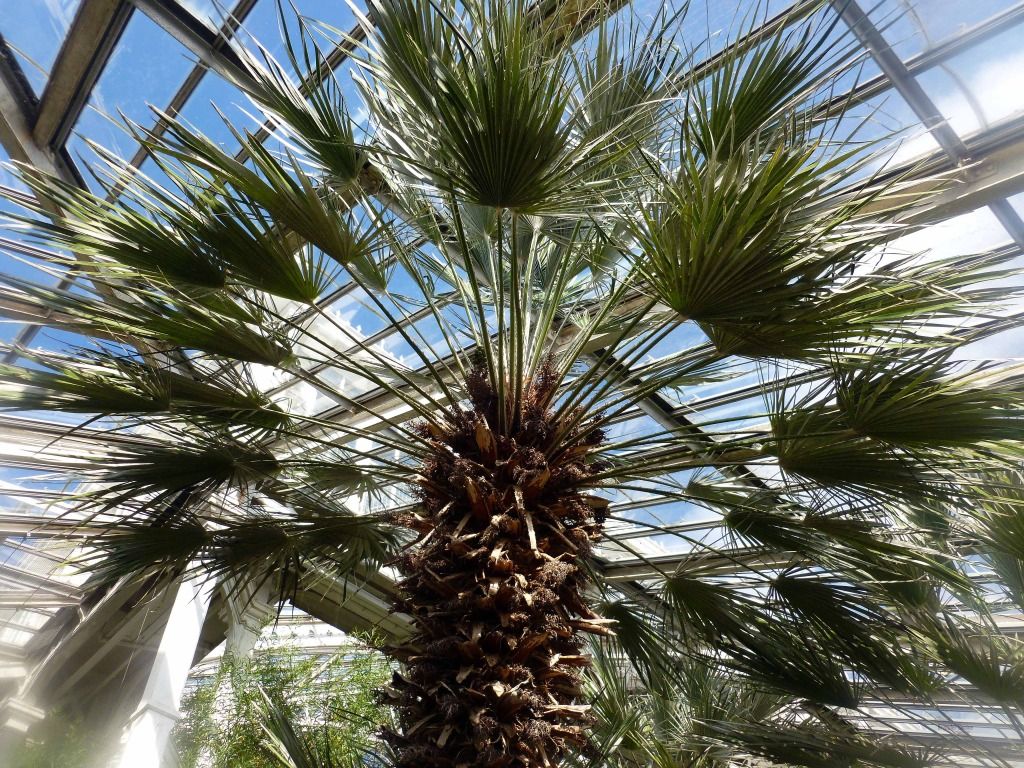


Now the above is only a small snippet of what Kew has to offer.  I did take many photos of the famous cycads but these were too blurry to post. :-(


The main reason I went to Kew was to see the Jubaea as its world famous and wanted to know what my small Jubaea will look like in a 100 years time!

It's found in the temperate house and has grown to such a height that the crown of the plant is squashing against the top of the glass house.  There is some debate as to how long it will remain before it has to be cut down and removed.   These are the photos I took of this magnificent palm.
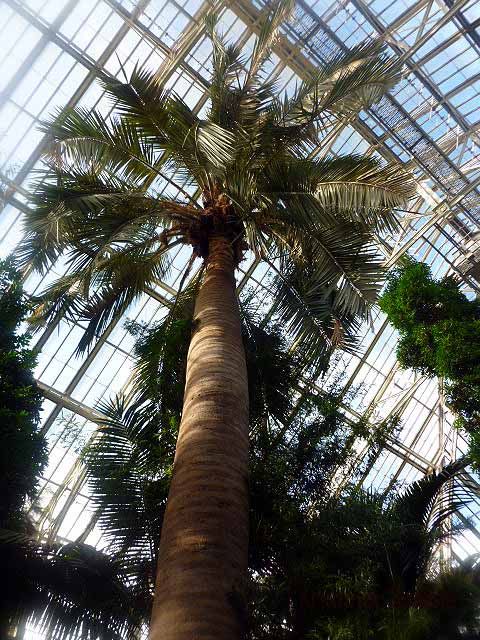


As you can see a magnificant palm what looks fantastic up close.  Make sure you see it soon before it's too late.

Saturday, 8 September 2012

Garden at it's peak in September


So it's September, the best month of the year!  The weather is still warm and settled although the nights are drawing in.  The garden is at it's peak, having had all summer to grow (even in this, one of the worst summers on record!)  So even in the chilly north of England in a rather dull and poor year for growing plants, many things have done well.  Here is a tour of my garden in photos, hope you enjoy and if you have any questions then please ask!
 
 
This is one of the most reliable gingers available, H forrestii, spidery flowers with a very delicate scent.  Although I grow it in a pot it is pretty hardy as far as I am aware.

Here is one of my favourite plants, Lobelia cardinalis with Arundo behind.  Strong red flowers really hit you in the face and scream exotic. 


This is a shot of the shady, wet part of the garden with fatsias, tree ferns and a rather nice cactus still dahlia which was left in the ground from last year.


 To the front and side of the garage is my alocasia bed with portora to the left, Mayan Mask in the centre and gageana to the right.  The tall ensete banana is montbelliardii.  The Phormium is making a recovery in the foreground.
 
My main bed with a mixture of bananas, grasses, colocasia and dahlias.  Good growth in August after a very very slow start.  The banana in the background, top right is called hiniba.
 
 
Here is my might Tetrapanax "rex"  It has been totally hardy, not losing the growth point in the 3 seasons that I've had it.
 
 
 Complete contrast in leaf form and texture here with the fine fronds of Dicksonia antarctica, the huge leaves of Gunnera and the numerous leaves of the Shirosima bamboo.


Newly acquired tree fern doing well under the dappled shade of an apple tree with shade loving palms and a polycarpa.


 New flush on a fatsia
 
 
Colocasia Pink Stem, could be hardy here but not tried it outside here.....yet. 
 
 
Would be without lilies even thought Lily beetles have finally arrived to this part of Yorkshire. 
 
My biggest palm, a lovely Jubaea. 


Butia with all Yorkshire grown leaves!
 
Brahea doing well, although only 3 new leaves so far this year.
 
 
My arid bed wouldn't be complete without Californian poppies.

Here is my only echium and will need winter protection if it is to stand a chance of flowering next year.


A general view of my front garden.  Everyting you see is in pots apart from the arid bed in the foreground.

All the plants in this photo have been grown from seed, cuttings or overwintered plants from last season.


My ginger bed with greenii and Verity, contasting foliage with I adore.
 
 
Dahlias are cheap and cheerfull and keep on going and going till the frosts.
 
Here we have the black leaves of Diamond Head colocasia and red and green leaves of a small ensete maurelii.
 
 
The image would never be replicated in nature with the arid Agave medio-picta alba and the pink flowering Hydrangea.
 
 
Spikies and softies.
 
 
More arids, this time Aeoniums planted out for the summer with house leeks below.


This Dasyliron has survived the last three winters completely unprotected!  Although the main plant rotted away, this is one of the offsets from the original plant.  The blue echeveria is left out all winter.
 
 
Musa and figs growing happily together.


One of many pot displays.
 
Coryline and Coleus

Finally an overview of my back garden.  I manage to cram a lot in such a small space.
 
Thanks for viewing.  Soon my attentions turn to preparing for winter....
 

Thursday, 6 September 2012

A bit of timelapse action.

This year I have been experimenting with creating timelapse films in order to observe how plants grow and react with the environment.  So far I have had mixed success.  Some good bits and some so-so bits.  I have been posting everything on my you tube channel.

Here is the best one from spring.


Here is a Eucomis growing and flowering.  Lots out for the Painted Ladies...
 
 
Finally a film about my Tree lilies followed by a timelapse sequence showing the flowers opening up....


Oh almost forgot, here are the best of my summer flowers...


Wednesday, 29 August 2012

How many types of trachycarpus? I say just a few....

After a beautiful day yesterday it has been constant rain today,struggling to reach 15 degrees.  The palms don't seem to mind and I took a brief respite in the deluge to snap some various Trachycarpus leaves.  I have many species with only two of any notable size.

  • fortunei (plus waggys)
  • princeps
  • manipur
  • oreophilus
  • takil
  • nanus
  • geminisectus
  • martianus
  • latisectus
  • nova
  • nova x princeps?

This first image is of a regular fortunei, the mongrel of the family.  It was bought as a half dead, battered plant found at the back of a garden centre.  It only had three leaves and I felt sorry for it.  Five years later and it looks half decent with a nice blue cast to the undersides of the new leaves.

 
This next image is of an oreophilus, mountain trachycarpus from Thailand.  Not really hardy in my location but I'm going to give it a good go.  Very fine leaflets.
 
 
This is a latisectus, apparently survived -10 in the UK but with some protection.  Broad leaflets and a lighter green leaf.
 
 
This is an emerging princeps leaf and in my opinion the most beautiful Trachycarpus known to man.  Again proved hardy in the UK to minus 10 and perhaps even lower with protection?
 
 
Here is geminisectus, a pretty rare type of trachycarpus with wide leaflets.  My specimens are only seedlings but already have wide leaflets and very, very green leaves!
 
 
Next is manipur which for me is a very slow grower!  Only one new leaf this year.  The leaves cover an area of less than 100 degrees (ish) and quite distinctive with long floppy leaflets.
 
 
Finally here is another fortunei but looks a bit like a nova with pale whitish  undersides to the newest leaves and a tapering trunk and long petioles.  This is the newest leaf, they quickly become very floppy and susceptible to wind damage.


Some would argue all the above are distinct species whilst others would argue they are all variations of a couple of real species:  distinct populations with defining characteristics but can produce viable young with other types (and hence the same species).    Whatever is the truth they are an interesting and vital group of plants for the hardy, exotic garden and I for one wouldn't be without them. 


Sunday, 26 August 2012

Quick update of main border through the summer.

Hi all,  well it's been  quite some time since I last posted and the garden has come on leaps and bounds!  I have a lot of good stuff to post but very little time to blog!
So in the mean time here are some photos of my main border from April right up to today.  As you can see, despite the poor summer the plants have grown fairly well.
So here is April


Mid June


Early July
 
Late July


Today (late August)